Canterbury Bells Crown Single Mixed
Canterbury Bells 'Crown Single Mixed' Seeds
If you dream of a traditional English cottage garden, Canterbury Bells are non-negotiable. This classic variety produces tall, sturdy spikes loaded with enormous, inflated bell-shaped flowers in soft shades of lavender-blue, rose-pink, and pure white.
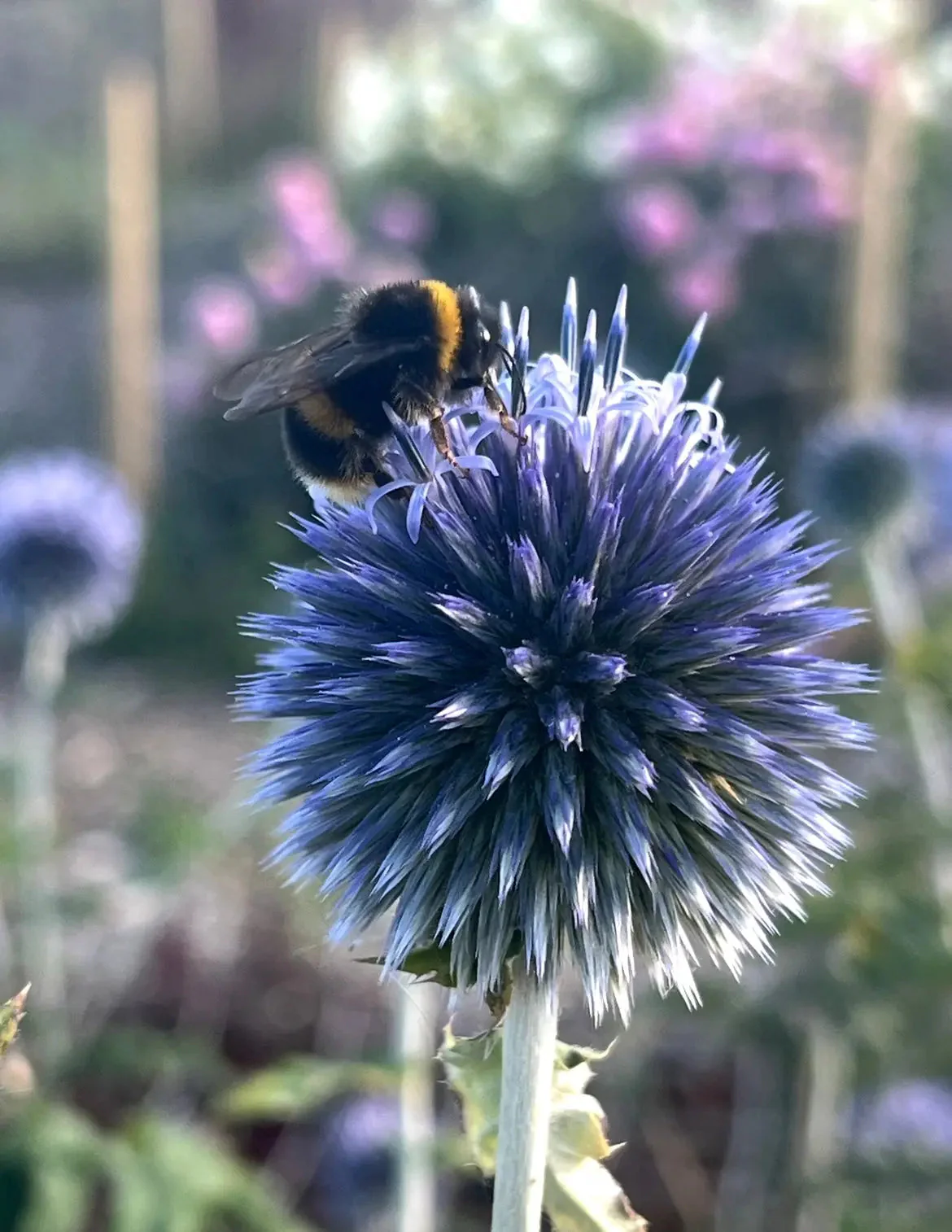
These are flowers with serious impact. Growing up to 90cm tall, they create a towering wall of colour in early summer (June-July), filling the gap between the spring bulbs fading and the summer annuals hitting their stride. They are excellent cut flowers, lasting over a week in a vase, and are a favourite of bumblebees who love to disappear inside the huge bells.
Read More
🌿 Understanding the Plant
Canterbury Bells are Hardy Biennials.
This means they have a two-year life cycle:
Year 1 (Sowing): You sow the seeds in spring/summer. They grow a low rosette of leaves but do not flower.
Year 2 (Flowering): They survive the winter, send up tall flower spikes in May/June, bloom spectacularly, set seed, and then die.
Patience Pays Off: It takes a while, but the sheer volume of flowers you get in the second year is unmatched by any annual.
🌱 Growing Guide: How to Sow and Grow
Start these in early summer to give them time to build a strong root system before winter.
Germination:
Sow indoors or in a cold frame from April to June. Surface sow onto moist compost and do not cover (they need light). Or sow directly outdoors in a nursery bed in May/June. Germination takes 14-21 days.
The "Nursery Bed" Method:
Most gardeners sow biennials in a spare patch of ground (a nursery bed) in summer. In Autumn (Sept/Oct), dig up the leafy plants and move them to their final flowering position for next year.
Care While Growing:
Support: The flower spikes are heavy! In windy gardens, give them a bamboo cane for support as soon as the spike starts to rise in spring.
📋 Plant Specifications
| Latin Name | Campanula medium |
| Common Name | Canterbury Bells |
| Hardiness | H5 (Hardy Biennial) |
| Light Required | Sun or Part Shade ⛅ |
| Height | ↕️ 75cm - 90cm (Tall) |
| Spread | ↔️ 35cm |
| Spacing | 🌱 30cm apart |
| Great for | ✂️ Cut Flowers 🏡 Cottage Gardens 🐝 Bees 🍂 Autumn Planting |
| Seed Count | Approx. 300 seeds per packet (Tiny seeds) |
🤝 Perfect Garden Companions
Canterbury Bells bloom in the "June Gap," making them perfect partners for:
- 🦊 Foxgloves (Digitalis): The Vertical Mix. Both are tall biennials that flower at the exact same time. Planting pink Foxgloves behind blue Canterbury Bells creates the ultimate cottage garden backdrop.
- 🌸 Sweet William: The Lower Layer. Sweet Williams are shorter biennials that also bloom in June. Plant them in front of the Canterbury Bells to hide the stems and create layers of colour.
📅 Sowing & Flowering Calendar
Sow in Spring/Summer of Year 1. Flowers May-July of Year 2.
| Month | J | F | M | A | M | J | J | A | S | O | N | D |
|---|---|---|---|---|---|---|---|---|---|---|---|---|
| Sow (Year 1) | 🟢 | 🟢 | 🟢 | |||||||||
| Move (Year 1) | 🌱 | 🌱 | ||||||||||
| Flowers (Year 2) | 🌸 | 🌸 | 🌸 |
⚠️ Cut Flower Tip
Harvest stems when the bottom bells are open but the top buds are still closed. They have a long vase life (7-10 days). Remember to remove any leaves that will sit below the water line.
🏆 Officially Recognised Excellence
This is a bee favourite. The large, tubular flowers provide an easy landing pad and shelter for bumblebees, who will often sleep inside the blooms overnight!
Canterbury Bells 'Crown Single Mixed' Seeds
If you dream of a traditional English cottage garden, Canterbury Bells are non-negotiable. This classic variety produces tall, sturdy spikes loaded with enormous, inflated bell-shaped flowers in soft shades of lavender-blue, rose-pink, and pure white.
These are flowers with serious impact. Growing up to 90cm tall, they create a towering wall of colour in early summer (June-July), filling the gap between the spring bulbs fading and the summer annuals hitting their stride. They are excellent cut flowers, lasting over a week in a vase, and are a favourite of bumblebees who love to disappear inside the huge bells.
Read More
🌿 Understanding the Plant
Canterbury Bells are Hardy Biennials.
This means they have a two-year life cycle:
Year 1 (Sowing): You sow the seeds in spring/summer. They grow a low rosette of leaves but do not flower.
Year 2 (Flowering): They survive the winter, send up tall flower spikes in May/June, bloom spectacularly, set seed, and then die.
Patience Pays Off: It takes a while, but the sheer volume of flowers you get in the second year is unmatched by any annual.
🌱 Growing Guide: How to Sow and Grow
Start these in early summer to give them time to build a strong root system before winter.
Germination:
Sow indoors or in a cold frame from April to June. Surface sow onto moist compost and do not cover (they need light). Or sow directly outdoors in a nursery bed in May/June. Germination takes 14-21 days.
The "Nursery Bed" Method:
Most gardeners sow biennials in a spare patch of ground (a nursery bed) in summer. In Autumn (Sept/Oct), dig up the leafy plants and move them to their final flowering position for next year.
Care While Growing:
Support: The flower spikes are heavy! In windy gardens, give them a bamboo cane for support as soon as the spike starts to rise in spring.
📋 Plant Specifications
| Latin Name | Campanula medium |
| Common Name | Canterbury Bells |
| Hardiness | H5 (Hardy Biennial) |
| Light Required | Sun or Part Shade ⛅ |
| Height | ↕️ 75cm - 90cm (Tall) |
| Spread | ↔️ 35cm |
| Spacing | 🌱 30cm apart |
| Great for | ✂️ Cut Flowers 🏡 Cottage Gardens 🐝 Bees 🍂 Autumn Planting |
| Seed Count | Approx. 300 seeds per packet (Tiny seeds) |
🤝 Perfect Garden Companions
Canterbury Bells bloom in the "June Gap," making them perfect partners for:
- 🦊 Foxgloves (Digitalis): The Vertical Mix. Both are tall biennials that flower at the exact same time. Planting pink Foxgloves behind blue Canterbury Bells creates the ultimate cottage garden backdrop.
- 🌸 Sweet William: The Lower Layer. Sweet Williams are shorter biennials that also bloom in June. Plant them in front of the Canterbury Bells to hide the stems and create layers of colour.
📅 Sowing & Flowering Calendar
Sow in Spring/Summer of Year 1. Flowers May-July of Year 2.
| Month | J | F | M | A | M | J | J | A | S | O | N | D |
|---|---|---|---|---|---|---|---|---|---|---|---|---|
| Sow (Year 1) | 🟢 | 🟢 | 🟢 | |||||||||
| Move (Year 1) | 🌱 | 🌱 | ||||||||||
| Flowers (Year 2) | 🌸 | 🌸 | 🌸 |
⚠️ Cut Flower Tip
Harvest stems when the bottom bells are open but the top buds are still closed. They have a long vase life (7-10 days). Remember to remove any leaves that will sit below the water line.
🏆 Officially Recognised Excellence
This is a bee favourite. The large, tubular flowers provide an easy landing pad and shelter for bumblebees, who will often sleep inside the blooms overnight!
Original: $2.91
-70%$2.91
$0.87Description
Canterbury Bells 'Crown Single Mixed' Seeds
If you dream of a traditional English cottage garden, Canterbury Bells are non-negotiable. This classic variety produces tall, sturdy spikes loaded with enormous, inflated bell-shaped flowers in soft shades of lavender-blue, rose-pink, and pure white.
These are flowers with serious impact. Growing up to 90cm tall, they create a towering wall of colour in early summer (June-July), filling the gap between the spring bulbs fading and the summer annuals hitting their stride. They are excellent cut flowers, lasting over a week in a vase, and are a favourite of bumblebees who love to disappear inside the huge bells.
Read More
🌿 Understanding the Plant
Canterbury Bells are Hardy Biennials.
This means they have a two-year life cycle:
Year 1 (Sowing): You sow the seeds in spring/summer. They grow a low rosette of leaves but do not flower.
Year 2 (Flowering): They survive the winter, send up tall flower spikes in May/June, bloom spectacularly, set seed, and then die.
Patience Pays Off: It takes a while, but the sheer volume of flowers you get in the second year is unmatched by any annual.
🌱 Growing Guide: How to Sow and Grow
Start these in early summer to give them time to build a strong root system before winter.
Germination:
Sow indoors or in a cold frame from April to June. Surface sow onto moist compost and do not cover (they need light). Or sow directly outdoors in a nursery bed in May/June. Germination takes 14-21 days.
The "Nursery Bed" Method:
Most gardeners sow biennials in a spare patch of ground (a nursery bed) in summer. In Autumn (Sept/Oct), dig up the leafy plants and move them to their final flowering position for next year.
Care While Growing:
Support: The flower spikes are heavy! In windy gardens, give them a bamboo cane for support as soon as the spike starts to rise in spring.
📋 Plant Specifications
| Latin Name | Campanula medium |
| Common Name | Canterbury Bells |
| Hardiness | H5 (Hardy Biennial) |
| Light Required | Sun or Part Shade ⛅ |
| Height | ↕️ 75cm - 90cm (Tall) |
| Spread | ↔️ 35cm |
| Spacing | 🌱 30cm apart |
| Great for | ✂️ Cut Flowers 🏡 Cottage Gardens 🐝 Bees 🍂 Autumn Planting |
| Seed Count | Approx. 300 seeds per packet (Tiny seeds) |
🤝 Perfect Garden Companions
Canterbury Bells bloom in the "June Gap," making them perfect partners for:
- 🦊 Foxgloves (Digitalis): The Vertical Mix. Both are tall biennials that flower at the exact same time. Planting pink Foxgloves behind blue Canterbury Bells creates the ultimate cottage garden backdrop.
- 🌸 Sweet William: The Lower Layer. Sweet Williams are shorter biennials that also bloom in June. Plant them in front of the Canterbury Bells to hide the stems and create layers of colour.
📅 Sowing & Flowering Calendar
Sow in Spring/Summer of Year 1. Flowers May-July of Year 2.
| Month | J | F | M | A | M | J | J | A | S | O | N | D |
|---|---|---|---|---|---|---|---|---|---|---|---|---|
| Sow (Year 1) | 🟢 | 🟢 | 🟢 | |||||||||
| Move (Year 1) | 🌱 | 🌱 | ||||||||||
| Flowers (Year 2) | 🌸 | 🌸 | 🌸 |
⚠️ Cut Flower Tip
Harvest stems when the bottom bells are open but the top buds are still closed. They have a long vase life (7-10 days). Remember to remove any leaves that will sit below the water line.
🏆 Officially Recognised Excellence
This is a bee favourite. The large, tubular flowers provide an easy landing pad and shelter for bumblebees, who will often sleep inside the blooms overnight!