Poppy Californian Golden West
Californian Poppy 'Golden West' Seeds
If you have a patch of dry, poor soil where nothing seems to survive, the Californian Poppy is your saviour. 'Golden West' is a superior heritage variety that produces an abundance of silky, cup-shaped flowers in a radiant shade of golden-yellow with a contrasting deep orange heart.
The blooms sit atop mounds of finely cut, feathery, silver-blue foliage that looks beautiful all season. These flowers are "solar-powered"—they open wide to catch the sun and twist shut into elegant spirals in the evening or on cloudy days. It brings a relaxed, West Coast vibe to the British garden and is virtually impossible to kill.
Read More
🌿 Understanding the Plant
The Californian Poppy is a Hardy Annual.
It completes its life cycle in one season, but it is a prolific self-seeder. If you leave the long seed pods to dry and "pop" in late summer, you will likely have a permanent colony of poppies returning year after year.
The Taproot: This plant survives drought by sending down a long, carrot-like taproot. This means it hates being transplanted. You must sow it where you want it to grow.
🌱 Growing Guide: How to Sow and Grow
This is the definition of a "scatter and grow" plant.
Germination:
Sow directly outdoors in Spring (March-May) for summer flowers, or Autumn (Sept) for early flowers next year. Scatter seeds thinly onto raked soil and cover very lightly. Germination takes 10-14 days.
Where to Sow:
They demand full sun (the flowers won't open in shade). They thrive in **poor, dry, sandy, or stony soil**. Do not add manure or fertilizer! Rich soil makes them grow too much leaf and not enough flowers.
Care While Growing:
Thinning is key: If seedlings are too crowded, they will be small. Thin them to about 15cm apart. Other than that, ignore them! They don't need watering or feeding.
📋 Plant Specifications
| Latin Name | Eschscholzia californica |
| Common Name | Californian Poppy 'Golden West' |
| Hardiness | H3 (Hardy Annual) |
| Light Required | Full Sun ☀️ |
| Height | ↕️ 30cm - 40cm |
| Spread | ↔️ 25cm |
| Spacing | 🌱 15cm apart |
| Great for | 🏜️ Gravel Gardens 🐝 Pollinators 🧱 Dry Banks 🏺 Containers |
| Seed Count | Approx. 300 seeds per packet |
🤝 Perfect Garden Companions
The intense orange of 'Golden West' needs cool blue partners for the ultimate contrast:
- 🔵 Cornflower 'Blue Ball': The Complementary Clash. Blue and Orange are opposites on the colour wheel. Planting blue Cornflowers behind the lower-growing Californian Poppies creates a vibrant, buzzing display.
- 💙 Nigella 'Miss Jekyll Blue': The Foliage Match. Both plants have fine, ferny foliage. Growing them together creates a misty, textured base for the jewel-like flowers to sit on.
📅 Sowing & Flowering Calendar
Sow directly outdoors in spring or autumn. Flowers early summer to autumn.
| Month | J | F | M | A | M | J | J | A | S | O | N | D |
|---|---|---|---|---|---|---|---|---|---|---|---|---|
| Sow Outdoors | 🟢 | 🟢 | 🟢 | 🟢 | 🟢 | |||||||
| Flowers | 🌸 | 🌸 | 🌸 | 🌸 | 🌸 |
⚠️ Transplant Warning
Californian Poppies have deep, carrot-like roots. They generally die if you try to dig them up and move them. Always sow them exactly where you want them to flower.
🏆 Officially Recognised Excellence
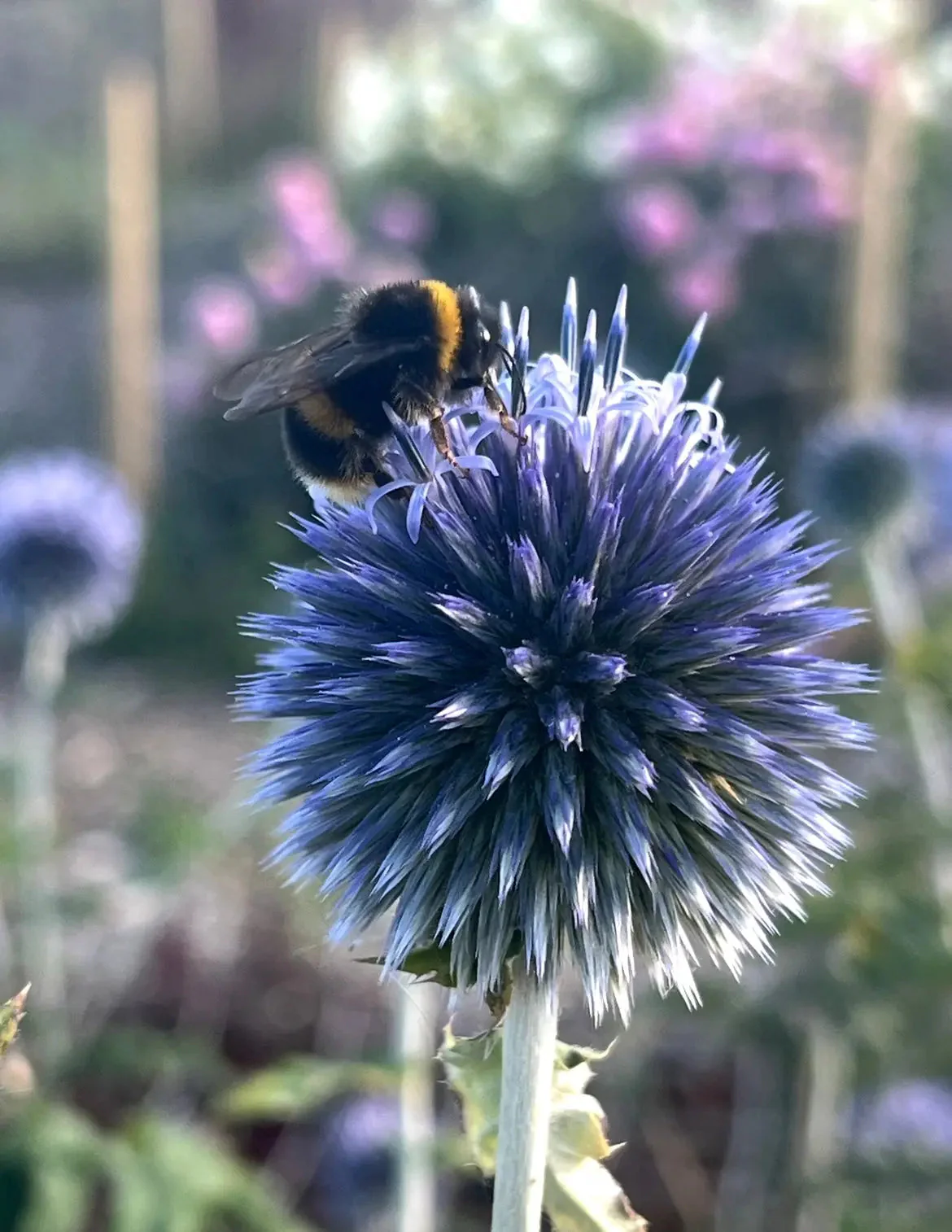
This plant is a pollinator favourite. Eschscholzia californica is listed on the RHS Plants for Pollinators list, providing easily accessible pollen for bees in the summer months.
Californian Poppy 'Golden West' Seeds
If you have a patch of dry, poor soil where nothing seems to survive, the Californian Poppy is your saviour. 'Golden West' is a superior heritage variety that produces an abundance of silky, cup-shaped flowers in a radiant shade of golden-yellow with a contrasting deep orange heart.
The blooms sit atop mounds of finely cut, feathery, silver-blue foliage that looks beautiful all season. These flowers are "solar-powered"—they open wide to catch the sun and twist shut into elegant spirals in the evening or on cloudy days. It brings a relaxed, West Coast vibe to the British garden and is virtually impossible to kill.
Read More
🌿 Understanding the Plant
The Californian Poppy is a Hardy Annual.
It completes its life cycle in one season, but it is a prolific self-seeder. If you leave the long seed pods to dry and "pop" in late summer, you will likely have a permanent colony of poppies returning year after year.
The Taproot: This plant survives drought by sending down a long, carrot-like taproot. This means it hates being transplanted. You must sow it where you want it to grow.
🌱 Growing Guide: How to Sow and Grow
This is the definition of a "scatter and grow" plant.
Germination:
Sow directly outdoors in Spring (March-May) for summer flowers, or Autumn (Sept) for early flowers next year. Scatter seeds thinly onto raked soil and cover very lightly. Germination takes 10-14 days.
Where to Sow:
They demand full sun (the flowers won't open in shade). They thrive in **poor, dry, sandy, or stony soil**. Do not add manure or fertilizer! Rich soil makes them grow too much leaf and not enough flowers.
Care While Growing:
Thinning is key: If seedlings are too crowded, they will be small. Thin them to about 15cm apart. Other than that, ignore them! They don't need watering or feeding.
📋 Plant Specifications
| Latin Name | Eschscholzia californica |
| Common Name | Californian Poppy 'Golden West' |
| Hardiness | H3 (Hardy Annual) |
| Light Required | Full Sun ☀️ |
| Height | ↕️ 30cm - 40cm |
| Spread | ↔️ 25cm |
| Spacing | 🌱 15cm apart |
| Great for | 🏜️ Gravel Gardens 🐝 Pollinators 🧱 Dry Banks 🏺 Containers |
| Seed Count | Approx. 300 seeds per packet |
🤝 Perfect Garden Companions
The intense orange of 'Golden West' needs cool blue partners for the ultimate contrast:
- 🔵 Cornflower 'Blue Ball': The Complementary Clash. Blue and Orange are opposites on the colour wheel. Planting blue Cornflowers behind the lower-growing Californian Poppies creates a vibrant, buzzing display.
- 💙 Nigella 'Miss Jekyll Blue': The Foliage Match. Both plants have fine, ferny foliage. Growing them together creates a misty, textured base for the jewel-like flowers to sit on.
📅 Sowing & Flowering Calendar
Sow directly outdoors in spring or autumn. Flowers early summer to autumn.
| Month | J | F | M | A | M | J | J | A | S | O | N | D |
|---|---|---|---|---|---|---|---|---|---|---|---|---|
| Sow Outdoors | 🟢 | 🟢 | 🟢 | 🟢 | 🟢 | |||||||
| Flowers | 🌸 | 🌸 | 🌸 | 🌸 | 🌸 |
⚠️ Transplant Warning
Californian Poppies have deep, carrot-like roots. They generally die if you try to dig them up and move them. Always sow them exactly where you want them to flower.
🏆 Officially Recognised Excellence
This plant is a pollinator favourite. Eschscholzia californica is listed on the RHS Plants for Pollinators list, providing easily accessible pollen for bees in the summer months.
Description
Californian Poppy 'Golden West' Seeds
If you have a patch of dry, poor soil where nothing seems to survive, the Californian Poppy is your saviour. 'Golden West' is a superior heritage variety that produces an abundance of silky, cup-shaped flowers in a radiant shade of golden-yellow with a contrasting deep orange heart.
The blooms sit atop mounds of finely cut, feathery, silver-blue foliage that looks beautiful all season. These flowers are "solar-powered"—they open wide to catch the sun and twist shut into elegant spirals in the evening or on cloudy days. It brings a relaxed, West Coast vibe to the British garden and is virtually impossible to kill.
Read More
🌿 Understanding the Plant
The Californian Poppy is a Hardy Annual.
It completes its life cycle in one season, but it is a prolific self-seeder. If you leave the long seed pods to dry and "pop" in late summer, you will likely have a permanent colony of poppies returning year after year.
The Taproot: This plant survives drought by sending down a long, carrot-like taproot. This means it hates being transplanted. You must sow it where you want it to grow.
🌱 Growing Guide: How to Sow and Grow
This is the definition of a "scatter and grow" plant.
Germination:
Sow directly outdoors in Spring (March-May) for summer flowers, or Autumn (Sept) for early flowers next year. Scatter seeds thinly onto raked soil and cover very lightly. Germination takes 10-14 days.
Where to Sow:
They demand full sun (the flowers won't open in shade). They thrive in **poor, dry, sandy, or stony soil**. Do not add manure or fertilizer! Rich soil makes them grow too much leaf and not enough flowers.
Care While Growing:
Thinning is key: If seedlings are too crowded, they will be small. Thin them to about 15cm apart. Other than that, ignore them! They don't need watering or feeding.
📋 Plant Specifications
| Latin Name | Eschscholzia californica |
| Common Name | Californian Poppy 'Golden West' |
| Hardiness | H3 (Hardy Annual) |
| Light Required | Full Sun ☀️ |
| Height | ↕️ 30cm - 40cm |
| Spread | ↔️ 25cm |
| Spacing | 🌱 15cm apart |
| Great for | 🏜️ Gravel Gardens 🐝 Pollinators 🧱 Dry Banks 🏺 Containers |
| Seed Count | Approx. 300 seeds per packet |
🤝 Perfect Garden Companions
The intense orange of 'Golden West' needs cool blue partners for the ultimate contrast:
- 🔵 Cornflower 'Blue Ball': The Complementary Clash. Blue and Orange are opposites on the colour wheel. Planting blue Cornflowers behind the lower-growing Californian Poppies creates a vibrant, buzzing display.
- 💙 Nigella 'Miss Jekyll Blue': The Foliage Match. Both plants have fine, ferny foliage. Growing them together creates a misty, textured base for the jewel-like flowers to sit on.
📅 Sowing & Flowering Calendar
Sow directly outdoors in spring or autumn. Flowers early summer to autumn.
| Month | J | F | M | A | M | J | J | A | S | O | N | D |
|---|---|---|---|---|---|---|---|---|---|---|---|---|
| Sow Outdoors | 🟢 | 🟢 | 🟢 | 🟢 | 🟢 | |||||||
| Flowers | 🌸 | 🌸 | 🌸 | 🌸 | 🌸 |
⚠️ Transplant Warning
Californian Poppies have deep, carrot-like roots. They generally die if you try to dig them up and move them. Always sow them exactly where you want them to flower.
🏆 Officially Recognised Excellence
This plant is a pollinator favourite. Eschscholzia californica is listed on the RHS Plants for Pollinators list, providing easily accessible pollen for bees in the summer months.